
When Should You Start Learning Chess Openings?
You prepared the Ruy Lopez and got 1...c5. When to start learning chess openings, what to study at each rating, and why tactics stay in the plan at every level.
August 18, 2026 8 min read
 ChessWoodieChessWoodie
Chess tactics, training tips, and improvement strategies
You prepared the Ruy Lopez and got 1...c5. When to start learning chess openings, what to study at each rating, and why tactics stay in the plan at every level.

What the five chess opening principles are actually protecting, when strong players are right to break them, and how to find good moves once your preparation runs out.

Grandmasters calculate eight moves deep and play blindfold not because they picture more, but because they picture smarter. Here is how chess visualization actually works, why the mental board goes fuzzy, and the drills that fix it.
Most blunders below 1600 come from having no routine. Here is a simple chess thought process to run before every move: scan the threats, pick your candidate moves, and blunder-check before you play. If your CMS prefers a tighter one, here's a shorter variant: A step-by-step thought process to run before every chess move, so you stop hanging pieces and start picking stronger moves.

You can spend an hour on tactics puzzles and still blunder the same pattern in a real game. Spaced repetition is the training layer that makes sure what you practice actually stays with you, and how it works alongside the Woodpecker Method to give every pattern the attention it needs.

Most players blunder not because they rush, but because they can't see the threat. Here's how to stop blundering in chess for good.
Most players who hit a chess improvement plateau are already putting in time. The problem is a broken feedback loop. Here's how to diagnose it and fix it.
Learn how the Woodpecker Method works, why repetition builds pattern recognition faster than random puzzles, how to choose the right puzzle set, and what to expect across cycles.
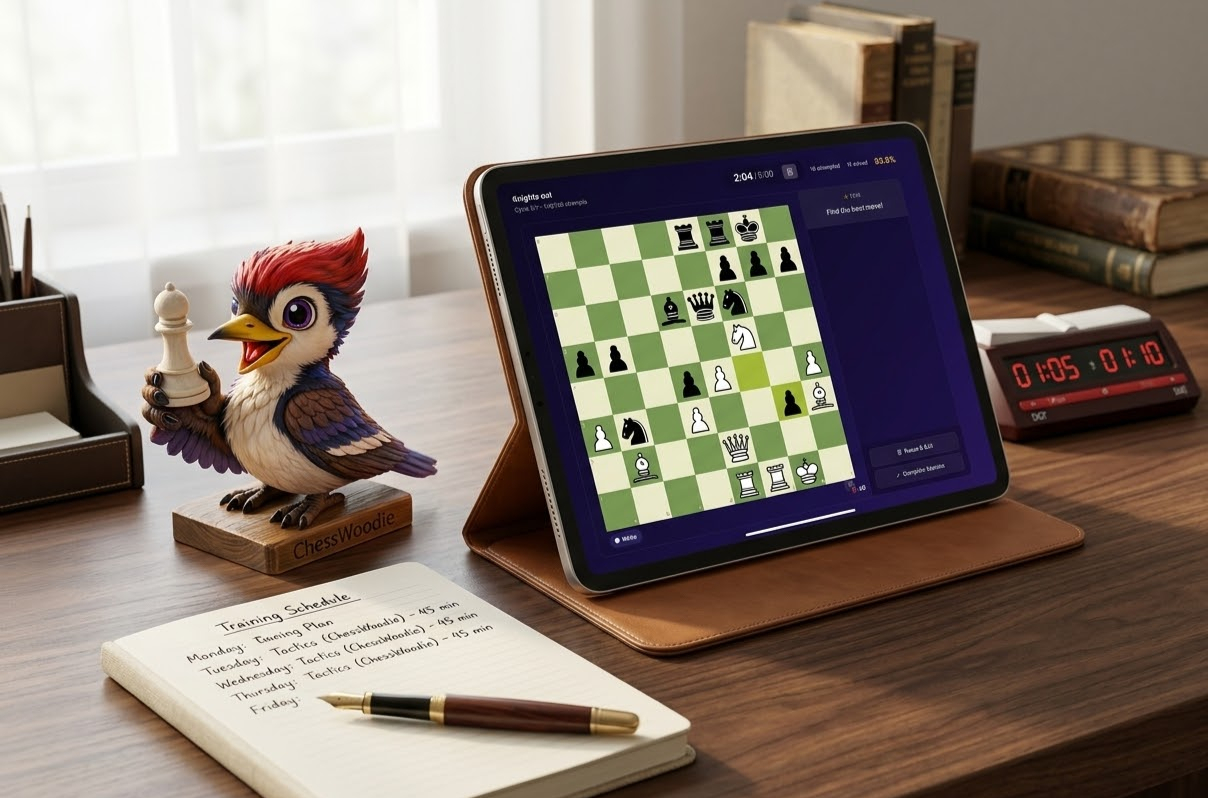
A structured daily chess training schedule designed for rapid improvement: what to study, how long, and in what order. Tactics, games, and targeted study, all laid out.

Discover how to train chess tactics effectively. Learn pattern recognition, repetition training, and a practical tactics training plan used by strong players.
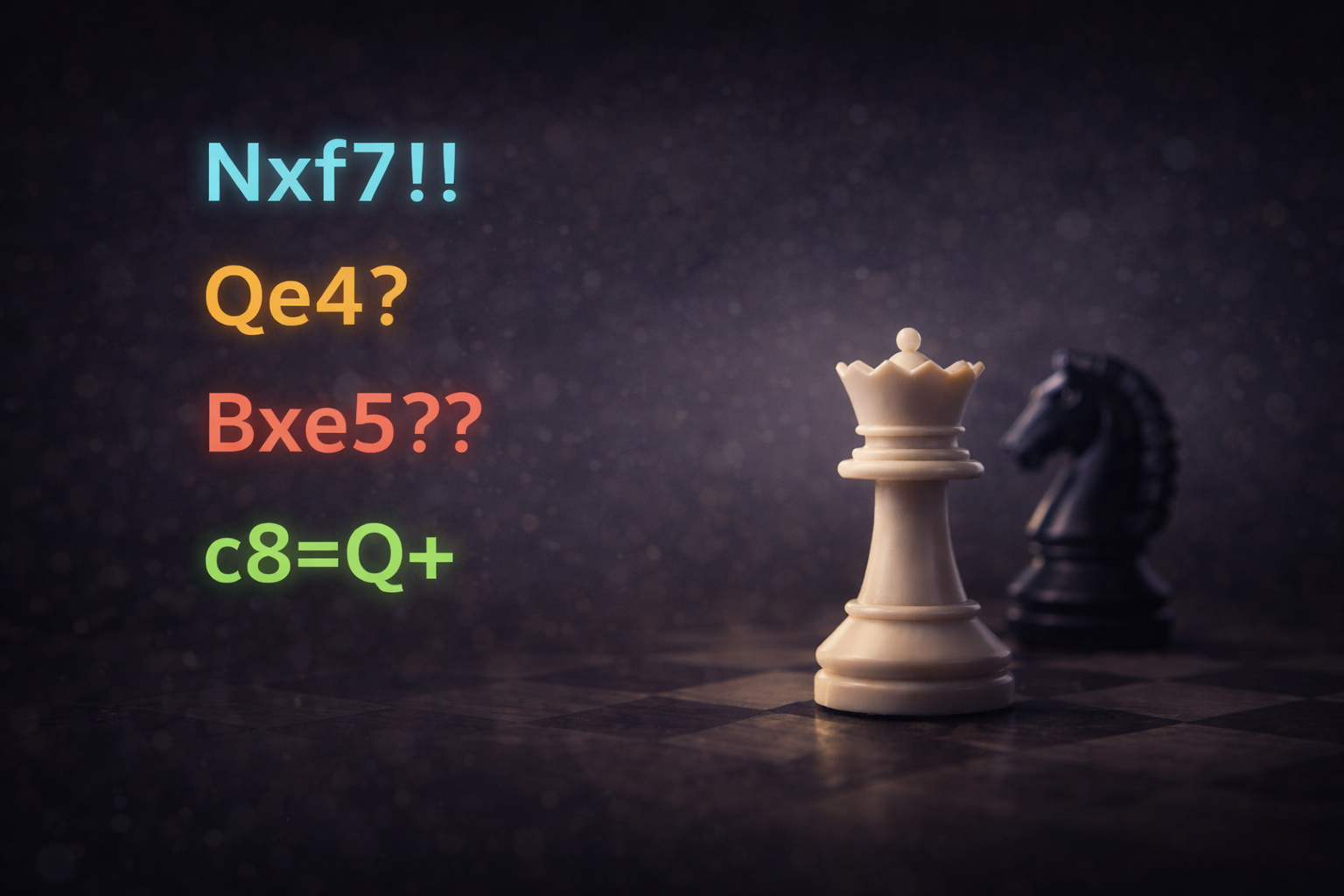
Learn how to analyze and review your chess games step by step. Discover how to identify mistakes, use engines correctly, and turn every game into practical improvement.
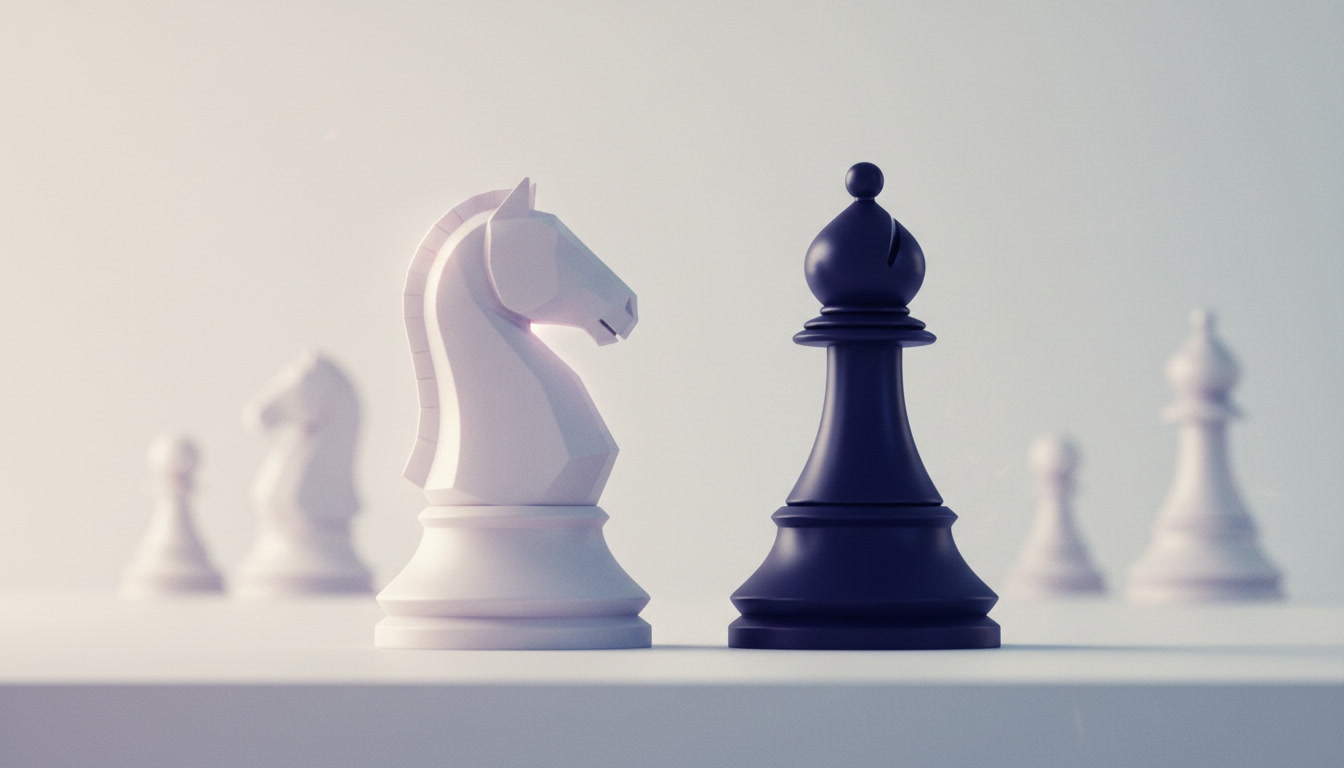
Learn the difference between tactics and strategy in chess, how they influence each other, and how to use both to create and exploit weaknesses in your games.